Why I keep the originals
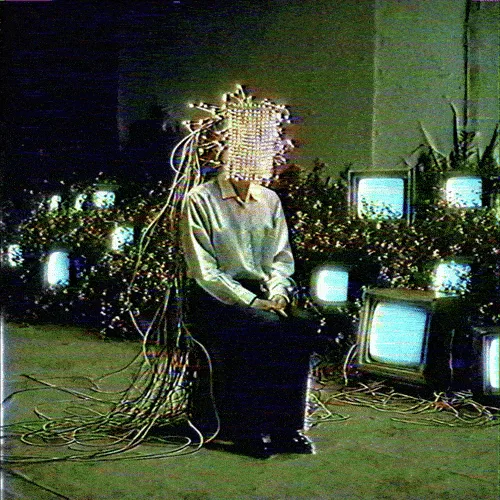
An NFT does not actually store the art. The token is permanent; the picture usually is not. So I keep the pictures.
Here is the thing almost no one tells you when you buy your first NFT: the token does not contain the art. The token is a permanent line on a blockchain that points at an image, and the image lives somewhere else, on a server, a pinning service, a marketplace's cache. Those places go dark. When they do, the token is still there, immaculate and forever, pointing at nothing. (Owning the token was never the same as owning the picture, which is its own story; this one is about making sure the picture survives at all.)
The dead links
I found this out the hard way while building the archive behind this site. Every work here is served from my own copy of the original file, pulled from wherever the artist first published it, checked, fingerprinted, and kept. In the course of doing that we found pieces whose original hosts were already gone. Witness and Manager were among them, their storage dead, recoverable only as the marketplace's cached render.
The archive
The number, today, is 4,840 files and roughly 67.5 gigabytes, kept off any single company's goodwill. That is not a technical footnote. It is the entire argument. A collection that lives only on the marketplace that sold it is a collection with an expiry date.
The point
The art outlives the marketplace is the line on the front page, and it is not a slogan. It is only true if someone does the unglamorous work of keeping the files. That is what this place is. The rest is how it was made, and you can read that story too.
More from Quantum Communications the full room →