The five hundred
Art Blocks numbered its projects like chapters, stopped at 500, and put the era behind glass. Then I started collecting it.
Most collections never tell you when they are finished. Art Blocks did. From late 2020 to November 2025 the platform released its flagship generative projects in a numbered line, one after another, the way a press numbers editions. Then, at exactly five hundred, it stopped. The people who run it call the set the AB[500] and treat it the way a museum treats a closed wing. No more will ever be added. The era has a first page and a last page.
I did not collect it while it was happening. I spent those years holding coins and playing games and walking past the whole thing. I started after the door shut, which most people would call late. I think of it differently. You cannot collect a period until it is a period. Nobody buying in 2021 knew whether project ninety would matter; the set was still being written. In 2026 the shape of the thing is visible from end to end, and the question changes from what is next to what mattered. That is a collector's question. It is also, frankly, a statistician's.
The distribution and the draw
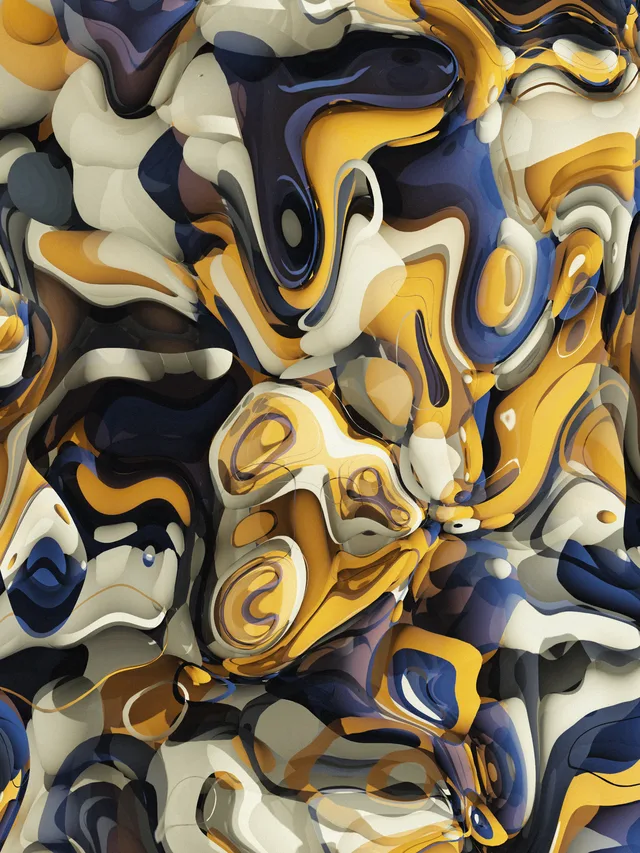
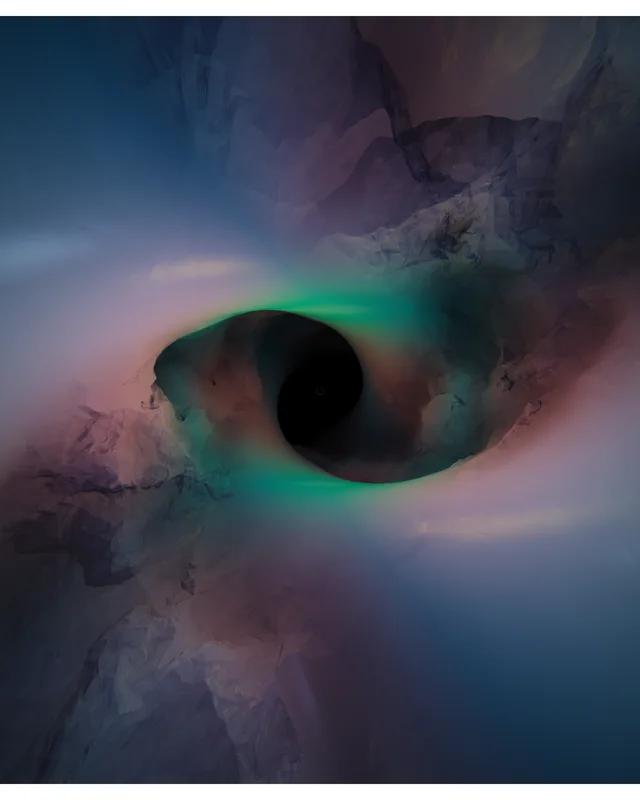
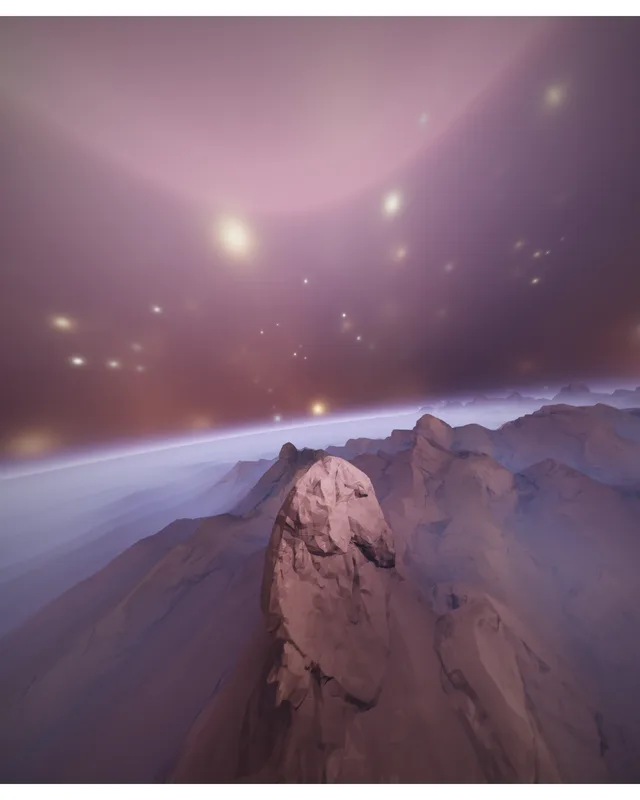
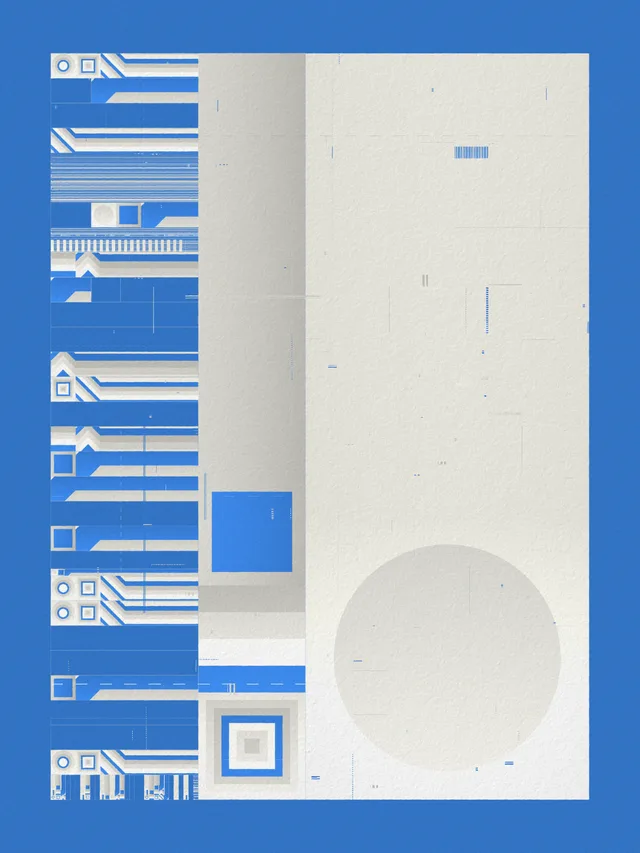
I am a statistics guy by training, and generative art is the first art form that speaks my native language. Here is what actually happens in these projects. The artist does not paint a picture. The artist writes a system, a space of every picture the code could make, and then gives up control. At mint, the chain deals a random hash, the code runs, and one output crystallizes out of the possibility space, yours and nobody's twice. The artist ships the distribution. Every collector draws a sample.
People spent years arguing about whether that counts as art. I spent my career learning that a distribution is a description of a mind. Show me the spread and I will tell you what the author cared about, what they feared, where they put their weight. A generative series is exactly that, made visible a few hundred times, and the artist signs the whole space, outliers included. Kjetil Golid has a project here where the code decides everything and he decided what everything was allowed to be. That sentence is the entire art form.
From project five to project five hundred
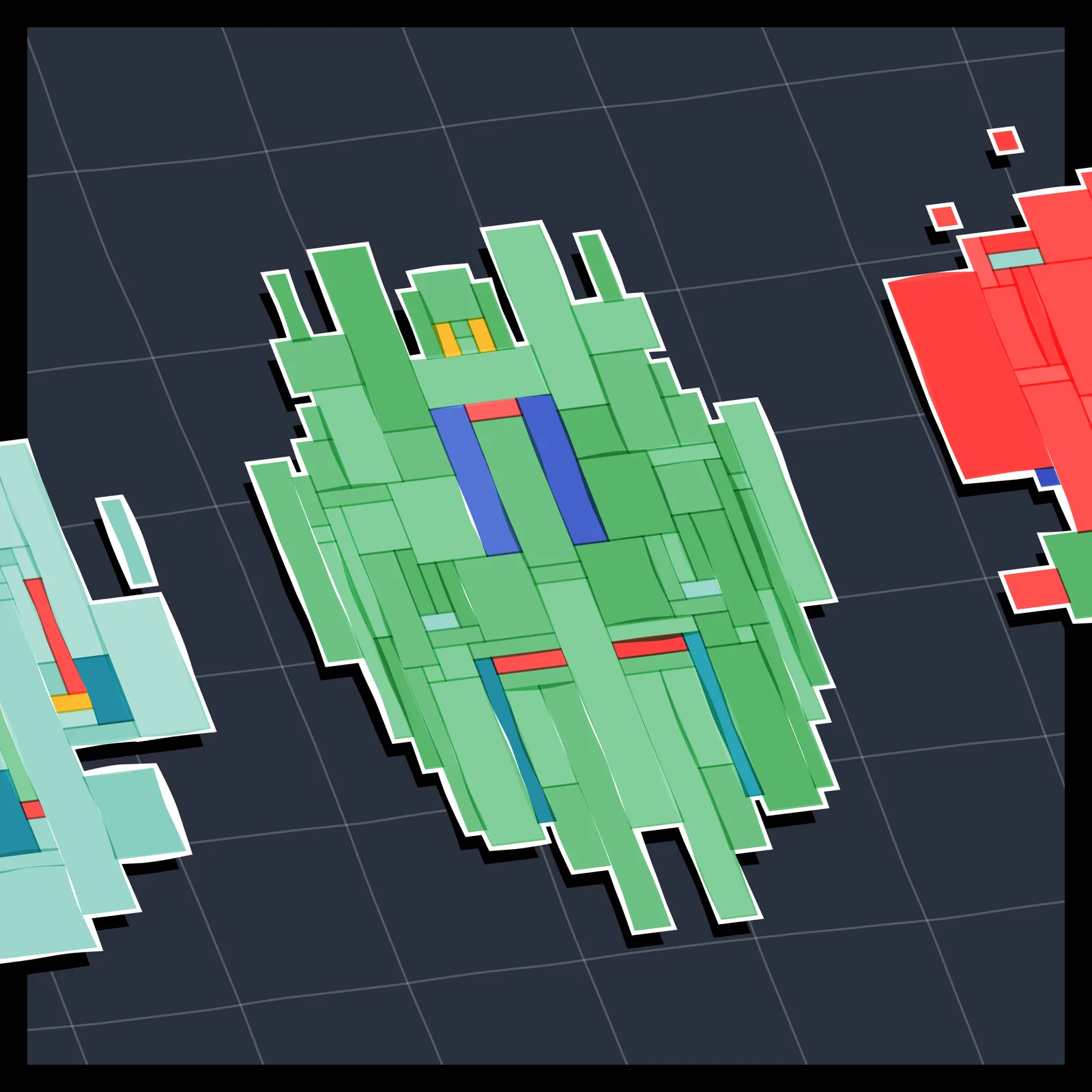
The earliest work in this room comes from project number five, Cryptoblots by Daïm Aggott-Hönsch, minted when the platform was weeks old and the whole idea of on-chain generative art was one man's experiment with a squiggle. The newest comes from project number five hundred, the final one, send/receive by Snowfro. Snowfro is Erick Calderon, the man who founded Art Blocks and drew that first squiggle. The era opens with his experiment and closes with his signature, and this collection now runs the whole span, first chapters to last page.

As I write this, work from more than a fifth of the five hundred hangs in this gallery, and the Art Blocks room keeps the live count. It grew fast because of how I collect. When the set closed I went through it the way I go through anything, in a spreadsheet, end to end, deciding which projects I believed in. Then I spent weeks picking up outputs one by one, mostly quiet floor purchases, a bid here and there, no hurry. The market calls that sweeping. It felt more like reading.
What the labels mean
Art Blocks sorted its projects into shelves, and the collection pages here carry those labels the way a museum wall carries a placard. Curated was the front room, the projects the platform itself stood behind, released in numbered series. Playground was where Curated artists went to experiment. Factory was the open floor, no committee, and some of the best things in this building came off it. Presents and the collaborations rounded out the era, and a handful of Explorations closed it. The labels are not a ranking. Some of my favorite rooms here are Factory rooms. They are just the era's own filing system, kept intact because this is an archive and archives keep the filing.
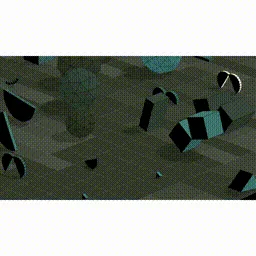
Collecting behind glass
There is a specific pleasure in collecting a finished thing that I did not expect. Nothing I buy will be diluted by what comes next, because nothing comes next. The set is fixed, the way a dead painter's catalog is fixed, except every one of these artists is alive, working, and mostly reachable in a reply. That is the strange gift of this era: a closed canon with open doors.
The platform's own plan for the five hundred is preservation, glass case, permanence. Mine is the same, one collector's version. Originals pulled from the sources the artists declared, checked, fingerprinted, served from storage I control, every claim audited before it ships. The code these artists wrote will outlive the websites it was minted on. Somebody should make sure the outputs do too.
More from Darien Brito the full room →