When the file becomes a frame
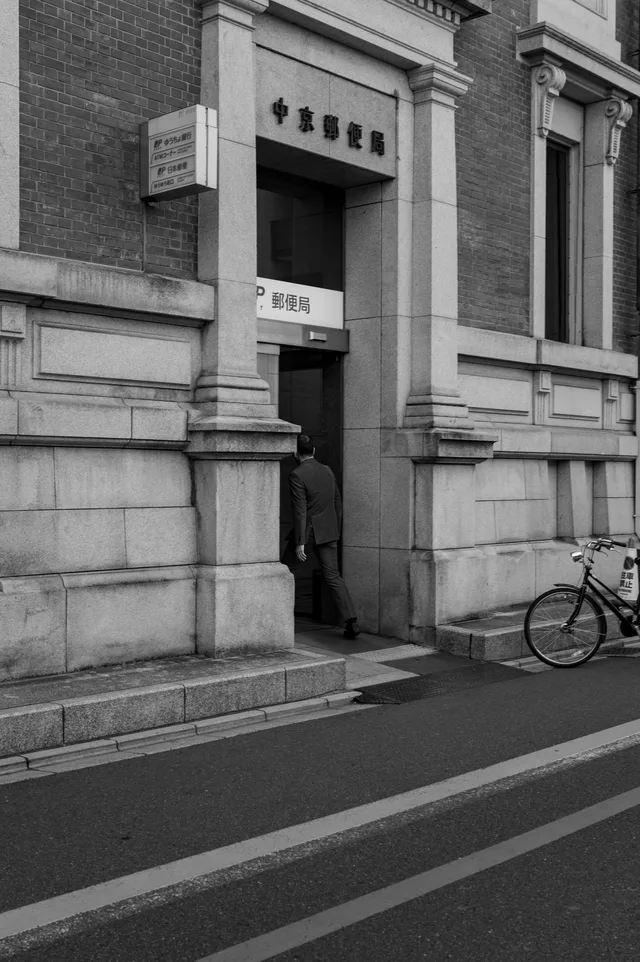
Kris Shin shoots Kyoto quiet. I collected five of his Still Kyoto photographs before I learned five was the magic number, and now some of these NFTs are ink on my wall.
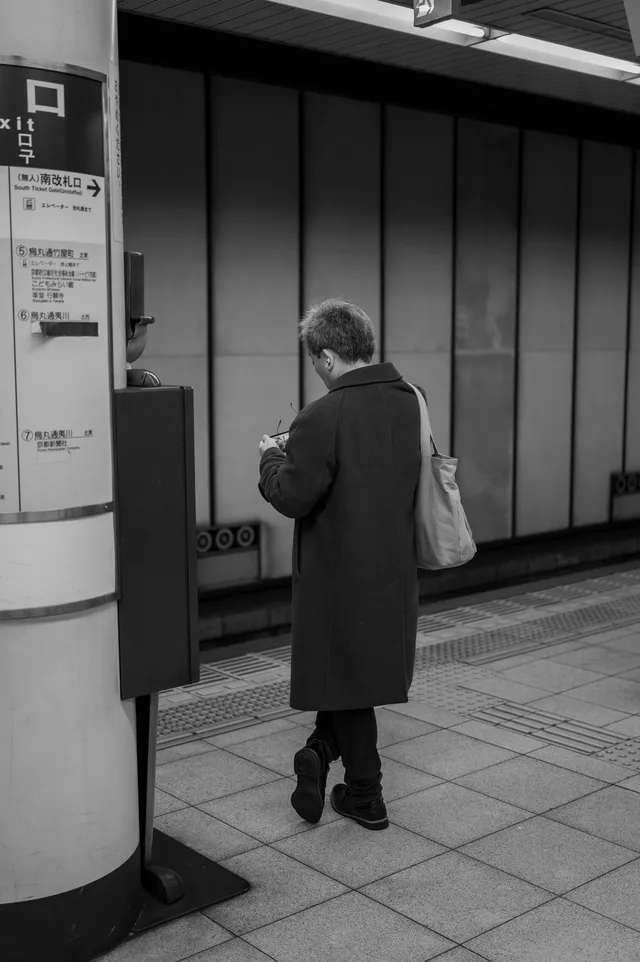
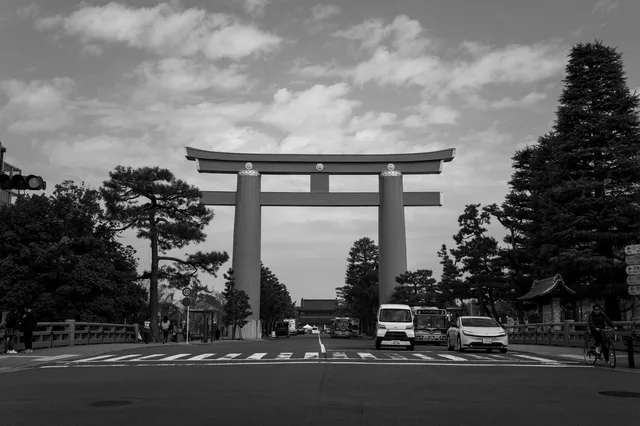
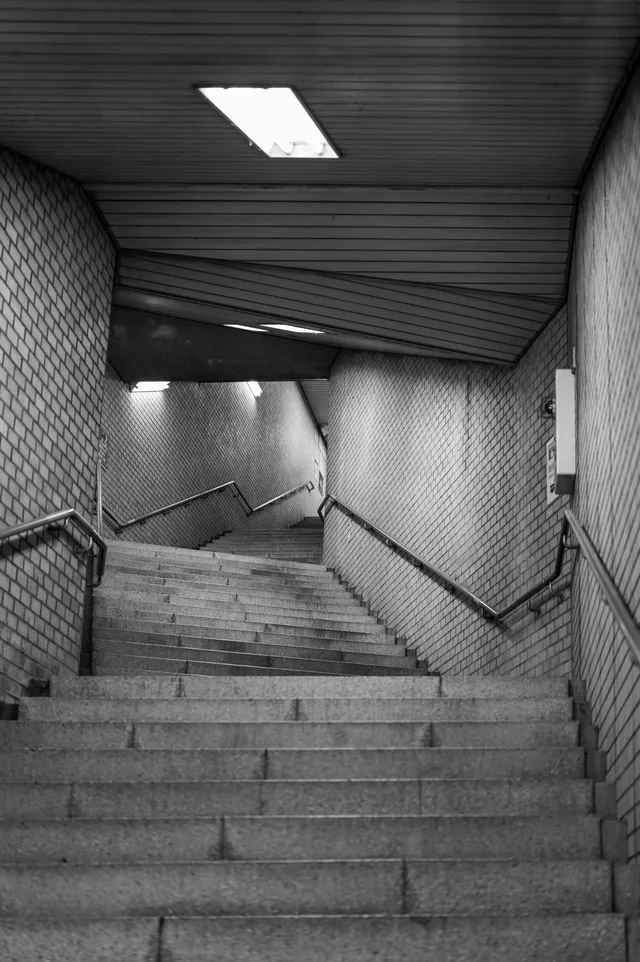
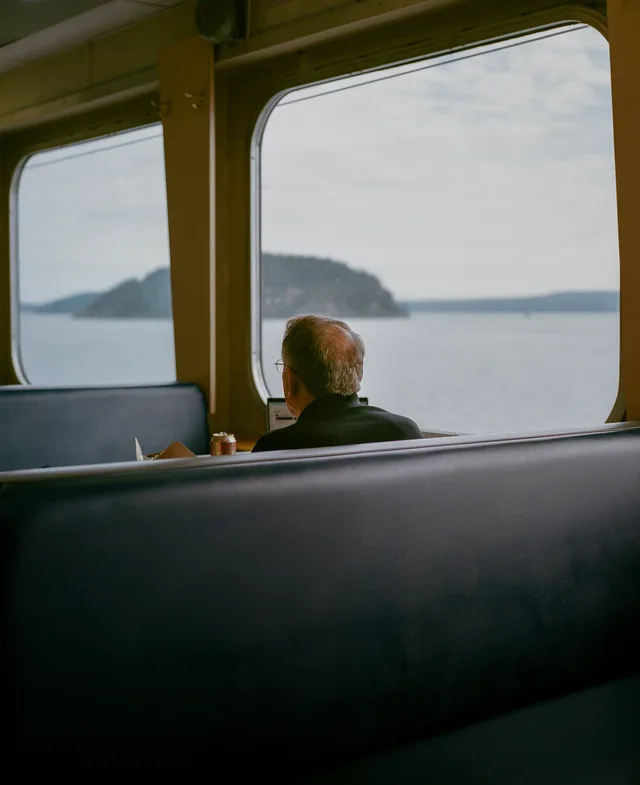
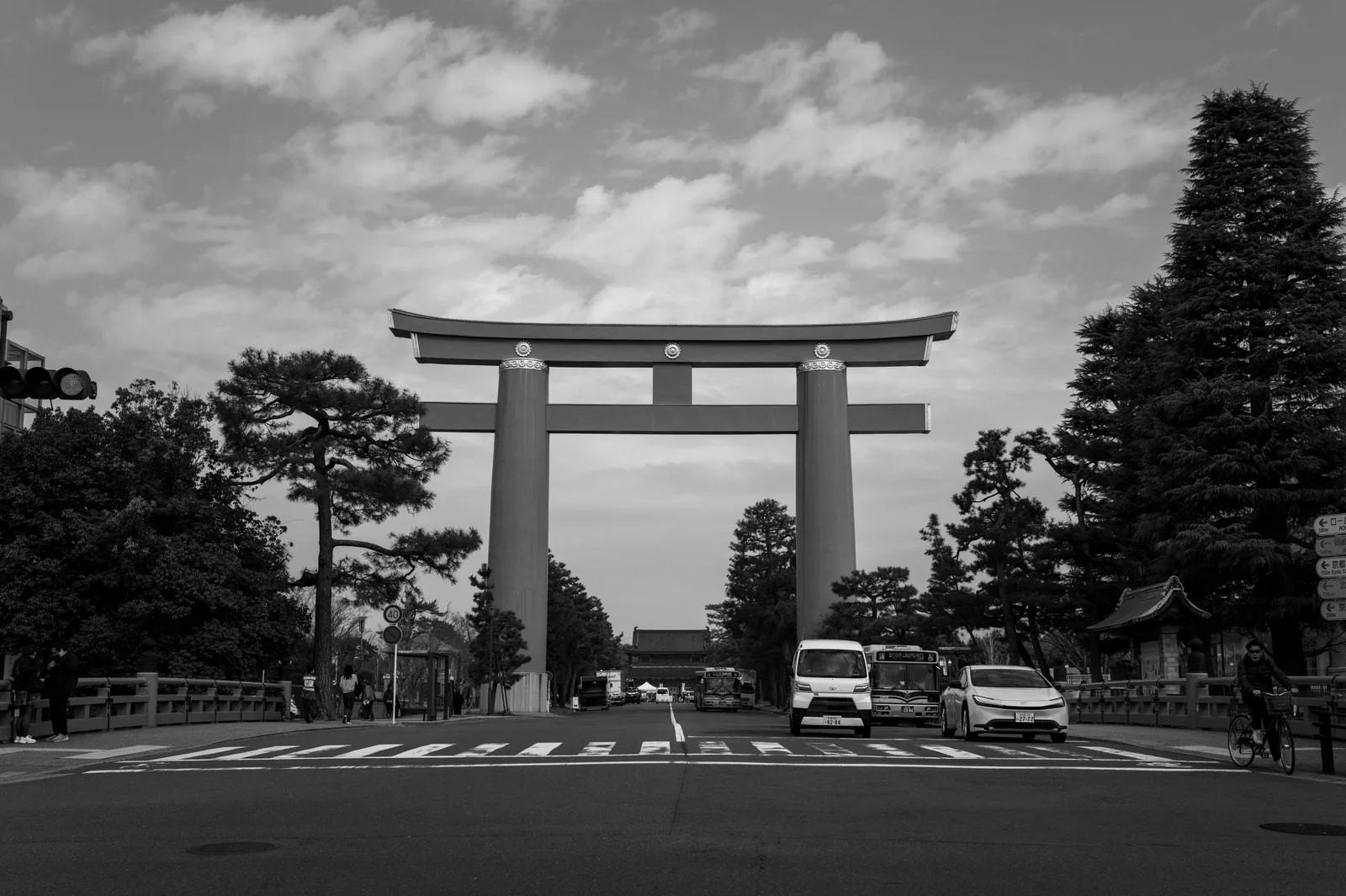
Kris Shin shoots quiet. Still Kyoto is stillness and light: a torii gate at the hour when no one is standing under it, a figure waiting on a platform, a street holding its breath. These are photographs that do not shout for the scroll. They make you slow down and actually look, which on a timeline built to keep you moving is close to an act of defiance.
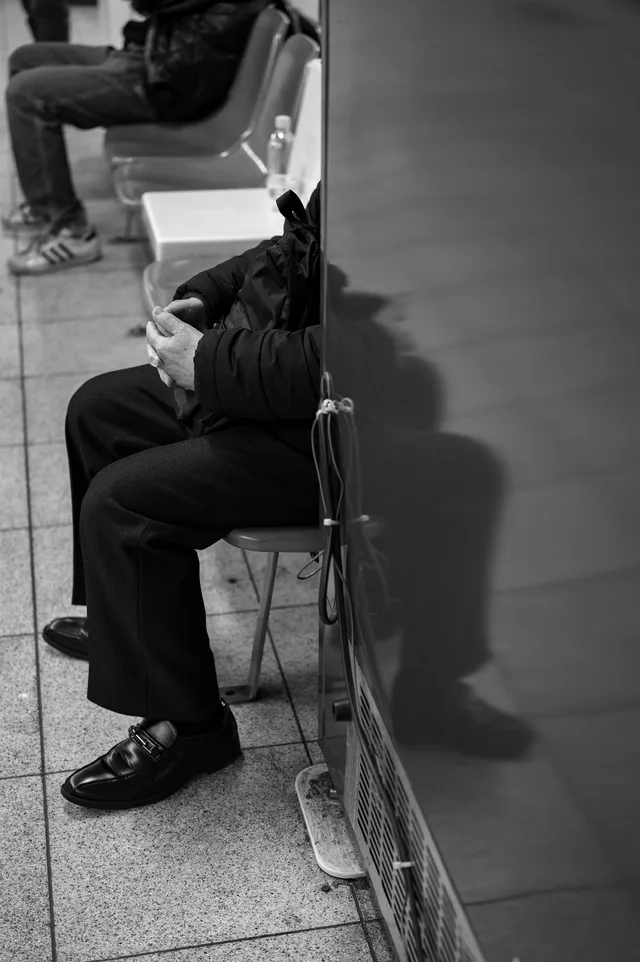
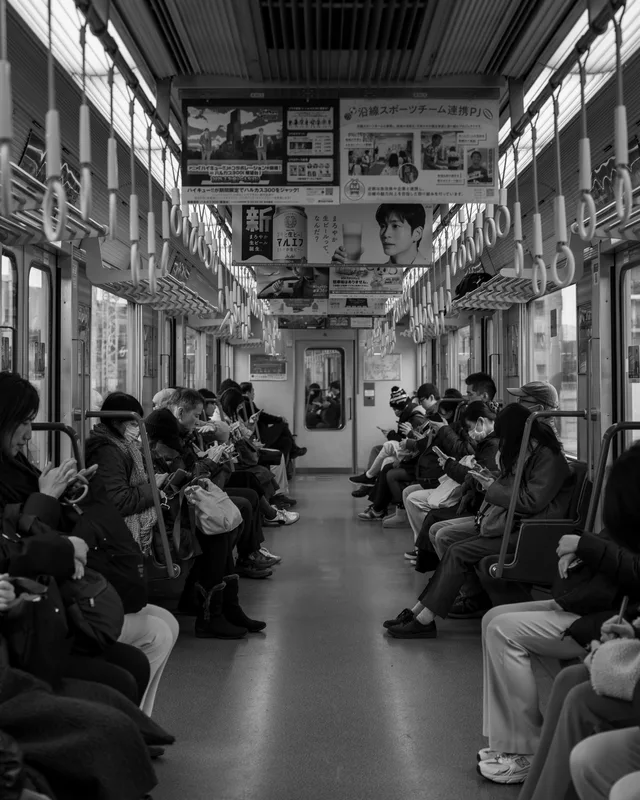
He works in patience. A transit platform becomes a study in waiting. A reflection in glass turns an ordinary street into two streets at once. Nothing is staged and nothing is loud, and that restraint is the whole style. You could walk past every one of these scenes in real life and never notice them. Kris noticed, and held still long enough to make you notice too.
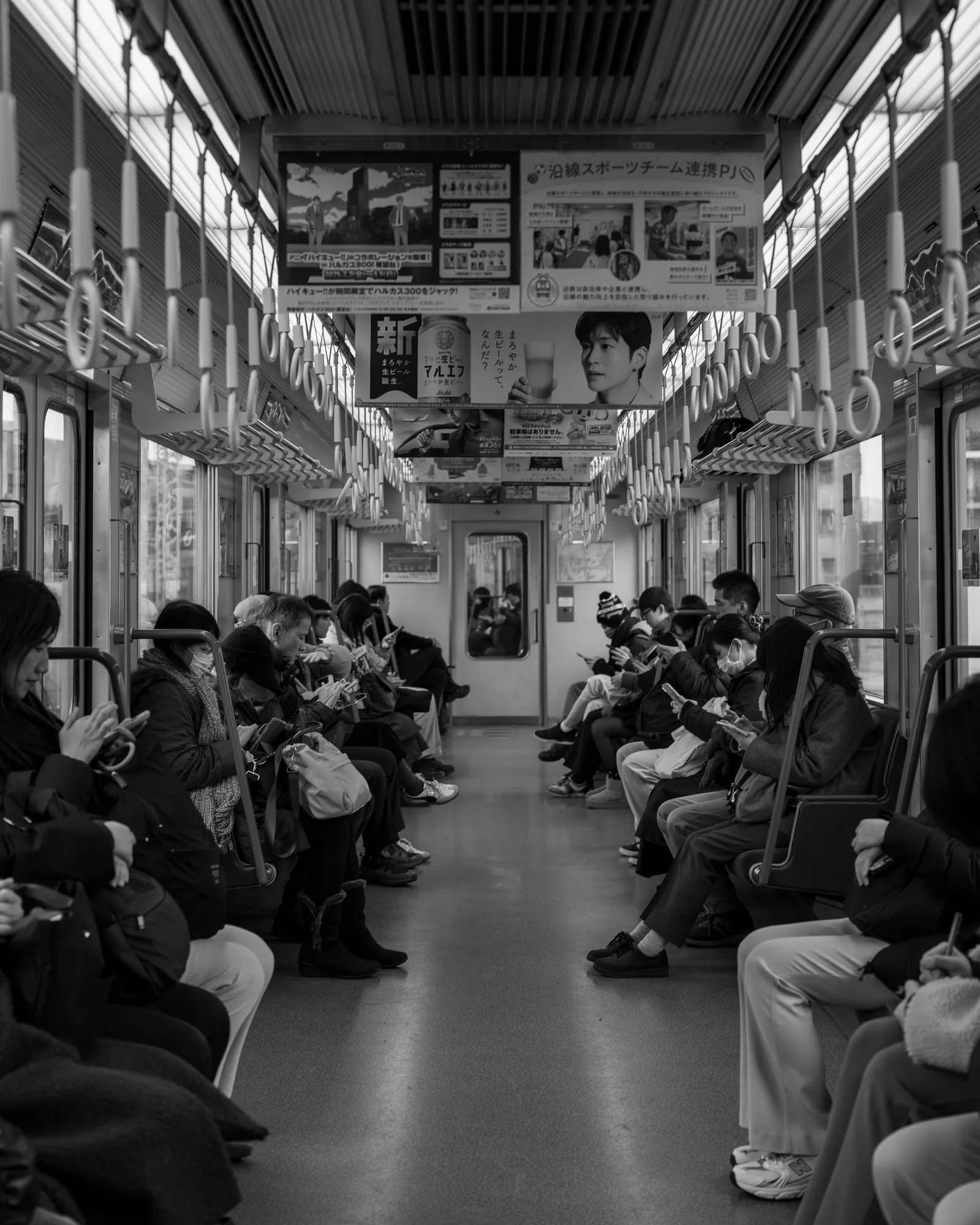
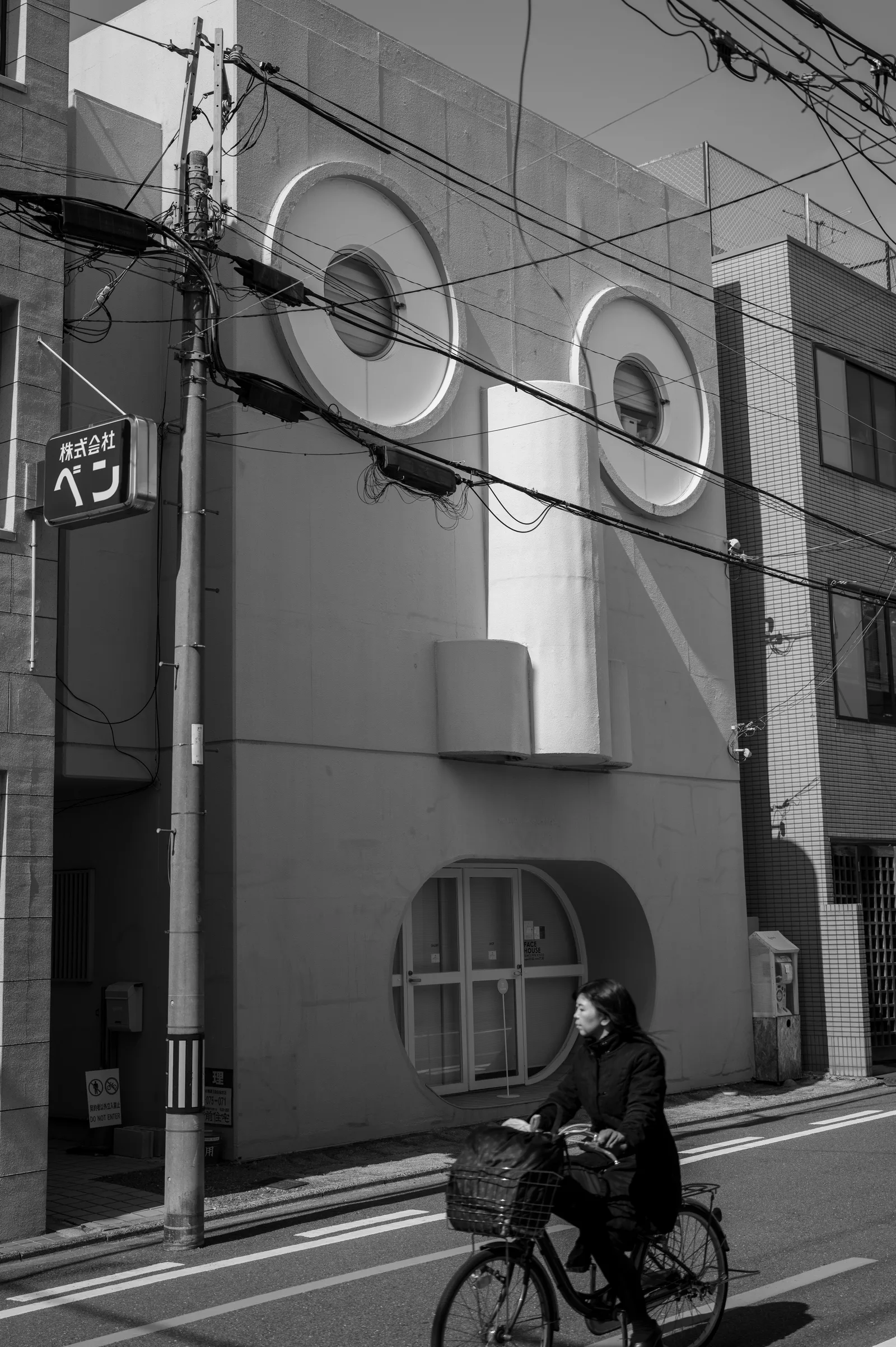
I had picked up five of these before I knew the number would matter. Turns out five got me a deal on physical prints. I posted about it half laughing, that since I had five it only made sense to go for it, and then the hard part was choosing which. Face House made the cut. The prints arrived and went into the vault right next to the tokens, and Kris said it best when he put the physical up beside the digital: the NFT and the print, shaking hands, both mine.
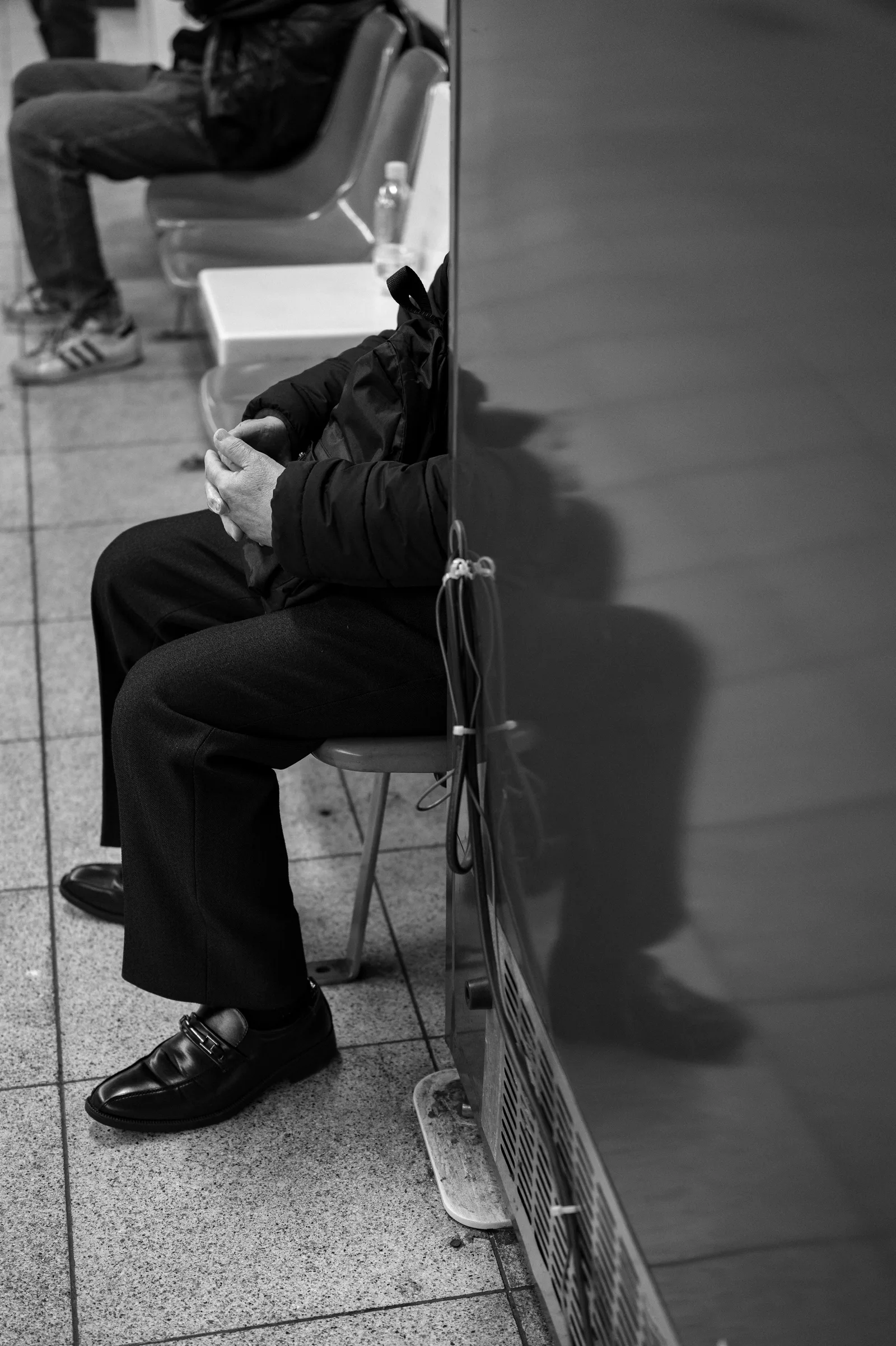
People love to ask what you actually own when you collect this stuff. Here is one honest answer: sometimes, a wall. The file did not replace the print, it is the reason the print exists. Same picture twice, one made of light and one made of ink, and I have both. That is not a loophole in the technology. It is the whole promise of it, kept.
More from Kris Shin the full room →